

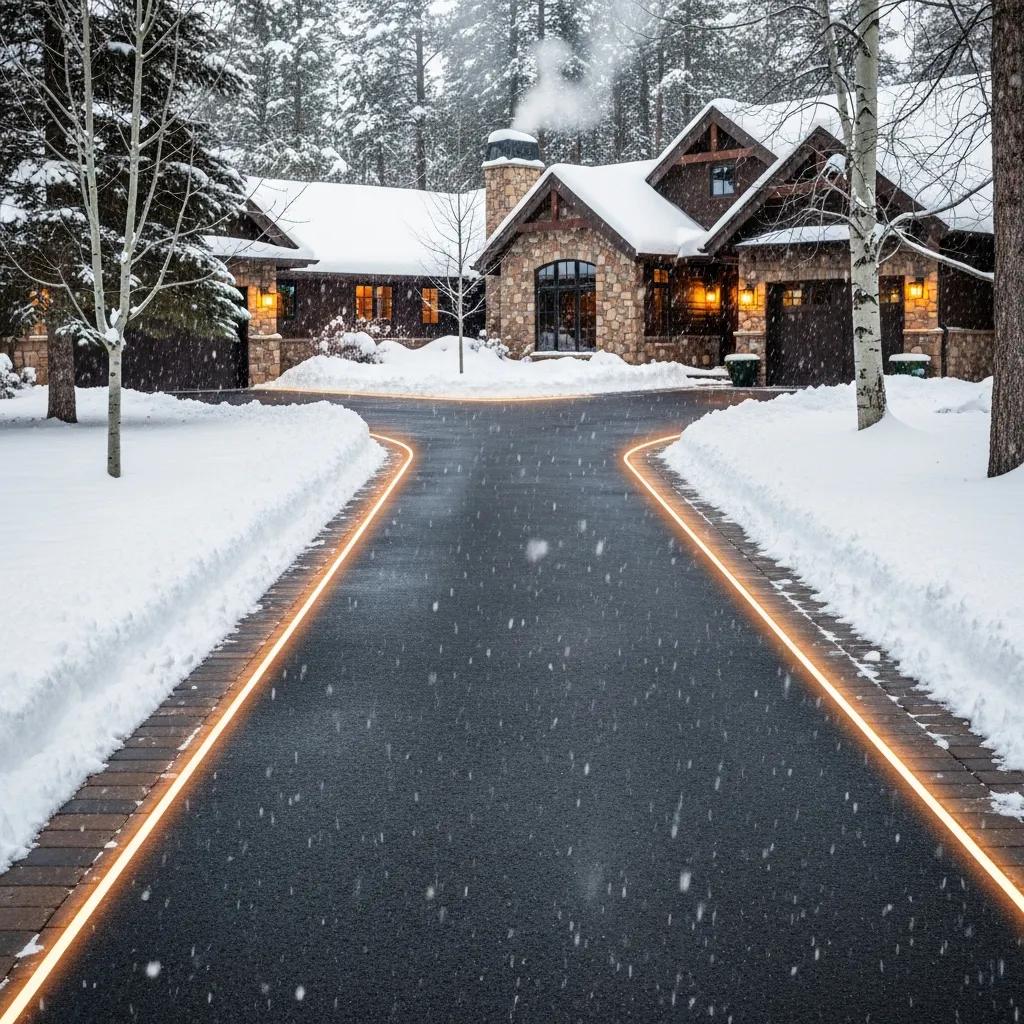
Electric Heated Driveway Installation and Maintenance in Colorado
Electric heated driveways are an innovative solution for homeowners looking to eliminate the hassle of snow and ice removal during Colorado’s harsh winters. This comprehensive guide will delve into the installation and maintenance of electric heated driveways, providing valuable insights into their functionality, benefits, and cost considerations. By understanding how these systems work, homeowners can make informed decisions about their driveway heating needs. The article will cover essential topics, including the components of electric heated driveways, installation processes, maintenance requirements, cost factors, and the advantages they offer to Colorado residents.
What Is an Electric Heated Driveway and How Does It Work?
An electric heated driveway is a snow-melt system designed to keep driveways clear of snow and ice through the use of heating cables embedded in the surface. These systems operate by generating heat that melts snow and ice upon contact, ensuring safe and accessible driveways during winter months. The primary benefit of electric heated driveways is their ability to provide a reliable and efficient solution for snow management, reducing the need for manual snow removal and enhancing safety.
What Are the Main Components of Electric Heated Driveway Systems?
- Heating Cables: The core element that generates heat when electricity flows through them.
- Sensors: Devices that detect temperature and moisture levels, triggering the heating system when conditions warrant.
- Control Systems: These manage the operation of the heating cables based on sensor input, ensuring efficient energy use.
Understanding these components is crucial for homeowners considering installation, as they directly impact the system’s performance and efficiency.
How Does an Electric Snow Melt System Operate Automatically?
Electric snow melt systems utilize advanced sensor technology to operate automatically. The sensors monitor environmental conditions, such as temperature and moisture levels, and activate the heating cables when snow or ice is detected. This automation not only enhances convenience but also optimizes energy consumption by ensuring that the system only operates when necessary. Homeowners can enjoy a clear driveway without the need for manual intervention, making it a practical solution for busy lifestyles.
How Is an Electric Heated Driveway Installed in Colorado?
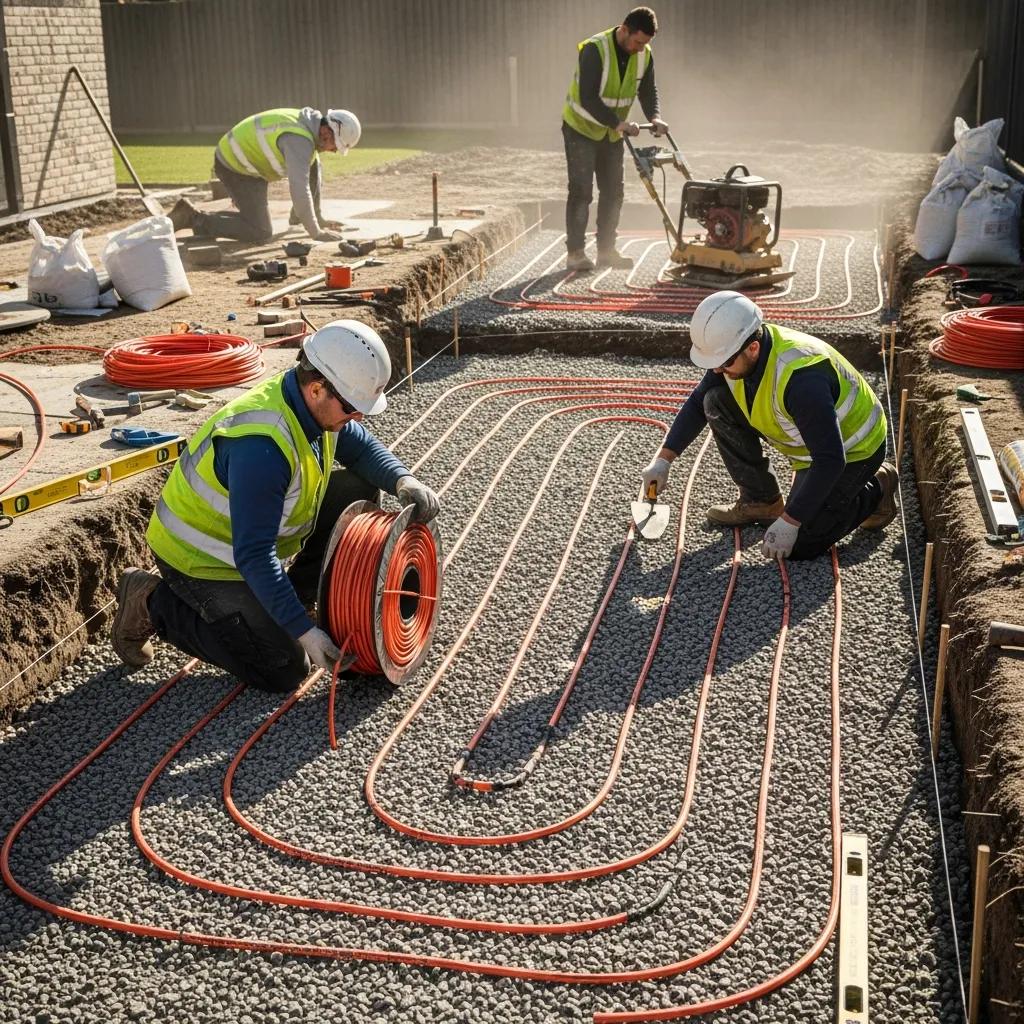
Installing an electric heated driveway in Colorado involves several critical steps to ensure proper functionality and longevity. The installation process typically begins with site preparation, followed by the embedding of heating elements and final connections to power sources.
What Site Preparation and Base Work Are Required?
- Excavation: Removing existing materials to create a suitable base for the heating system.
- Base Material Specifications: Installing a stable base layer, often consisting of compacted gravel or concrete, to support the heating cables and ensure even heat distribution.
These steps are vital for the system’s effectiveness and durability, particularly in Colorado’s variable climate.
How Are Heating Elements Embedded and Connected?
Once the site is prepared, the heating elements are embedded into the driveway surface. This process involves:
- Placement of Heating Cables: Arranging the cables in a specific pattern to maximize coverage and efficiency.
- Connection to Power Sources: Ensuring that the heating cables are properly connected to the electrical system, often requiring a licensed electrician for safety and compliance with local codes.
Proper installation is crucial for the system’s performance and reliability, making it essential to follow manufacturer guidelines and local regulations.
What Are the Maintenance Requirements and Troubleshooting Tips for Electric Heated Driveways?
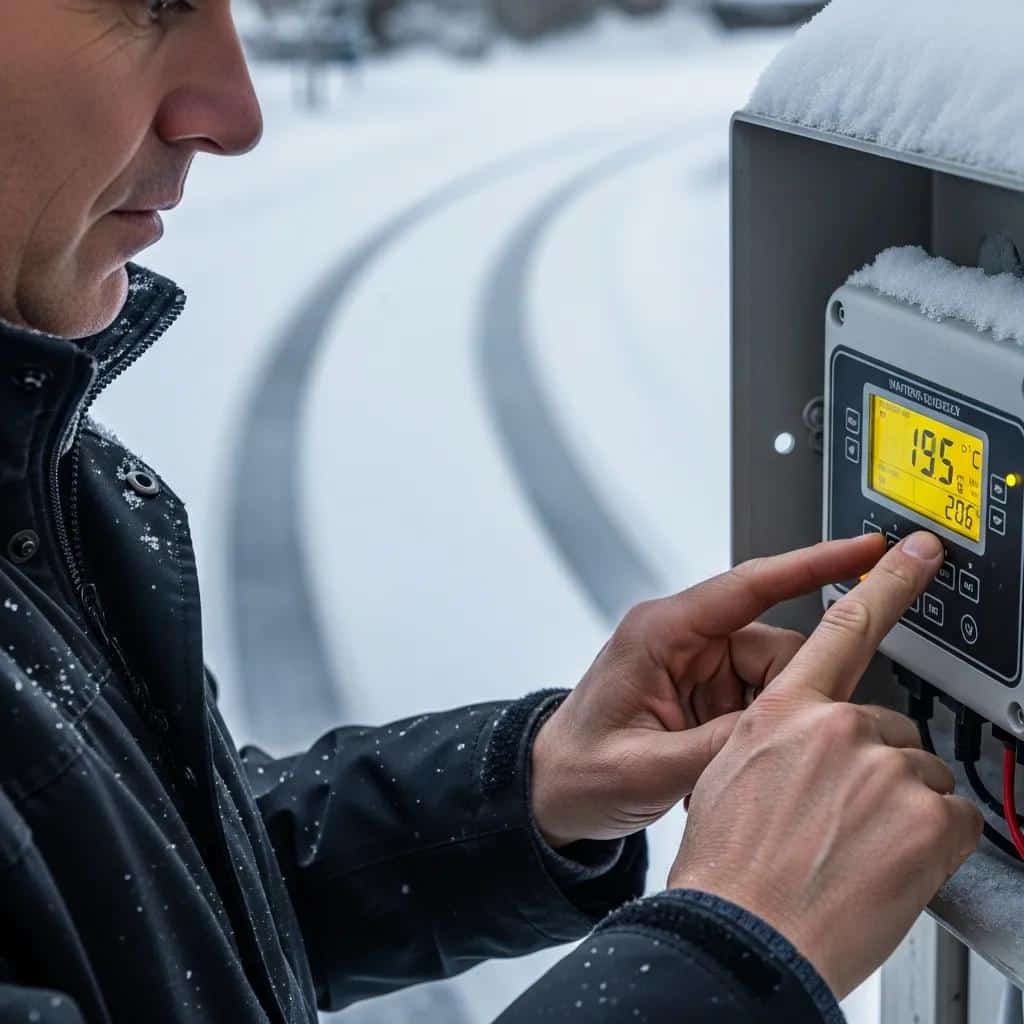
Maintaining an electric heated driveway is essential for ensuring its longevity and effectiveness. Regular maintenance checks and troubleshooting can help identify potential issues before they escalate.
Which Seasonal Checks and Routine Maintenance Are Recommended?
- Winter Checks: Inspecting the system before the snow season to ensure all components are functioning correctly.
- Spring Maintenance: Cleaning the driveway surface and checking for any damage to the heating cables or sensors.
These routine checks help maintain optimal performance and extend the lifespan of the system.
How Can Common Issues Be Diagnosed and Resolved?
- System Failures: Identifying if the heating cables are not functioning due to electrical issues or damage.
- Basic Troubleshooting Steps: Checking connections, resetting the control system, and ensuring that sensors are clean and unobstructed.
Understanding these common problems and their solutions can save homeowners time and money on repairs.
How Much Does Electric Heated Driveway Installation Cost in Colorado?
The cost of installing an electric heated driveway in Colorado can vary significantly based on several factors, including materials, labor, and permitting costs.
What Are the Material, Labor, and Permitting Costs?
- Material Costs: The price of heating cables, control systems, and other necessary components can range from $8 to $15 per square foot.
- Labor Costs: Professional installation may add an additional $5 to $12 per square foot, depending on the complexity of the project.
- Permitting Costs: Local regulations may require permits, which can vary in cost.
Understanding these factors can help homeowners budget effectively for their installation project.
How Do REMP Policies Impact Installation Expenses?
REMP (Residential Energy Management Program) policies can influence installation expenses by providing incentives for energy-efficient systems. Homeowners may benefit from rebates or tax credits, which can offset some of the initial costs. It is essential to research local REMP policies to understand potential savings and how they may apply to electric heated driveway installations.
What Are the Benefits of Electric Heated Driveways for Colorado Homeowners?
Electric heated driveways offer numerous advantages for homeowners in Colorado, enhancing safety, convenience, and property value.
How Do Heated Driveways Enhance Safety for Seniors and Individuals with Disabilities?
Heated driveways significantly improve safety for seniors and individuals with disabilities by reducing the risk of slip-and-fall accidents. By keeping driveways clear of snow and ice, these systems provide a safer environment for all users, particularly those with mobility challenges. Studies indicate that slip-and-fall incidents increase during winter months, making heated driveways a valuable investment for enhancing safety.
Why Are Heated Driveways Convenient for Busy Professionals and Steep or North-Facing Slopes?
For busy professionals, the convenience of electric heated driveways cannot be overstated. These systems eliminate the need for manual snow removal, saving time and effort during harsh winter conditions. Additionally, they are particularly beneficial for homes with steep or north-facing slopes, where snow accumulation can be more challenging to manage. By ensuring a clear and accessible driveway, homeowners can maintain their daily routines without interruption.
How Do Electric Heated Driveways Compare to Hydronic Systems?
When considering driveway heating options, homeowners often weigh the benefits of electric heated driveways against hydronic systems.
What Are the Cost, Energy Efficiency, and Maintenance Differences?
Electric heated driveways generally have lower installation costs compared to hydronic systems, which require extensive plumbing and boiler installations. However, electric systems may have higher operational costs depending on electricity rates. In terms of maintenance, electric systems typically require less upkeep than hydronic systems, which may need periodic checks of the boiler and fluid levels.
Which System Is Best for Colorado’s Diverse Climate and Terrain?
In Colorado’s diverse climate, electric heated driveways often prove to be more effective due to their quick response time and ease of installation. They can efficiently handle the variable weather conditions, providing reliable snow melting when needed. Hydronic systems, while effective, may not offer the same level of responsiveness, making electric systems a preferred choice for many homeowners.
| Component | Electric Heated Driveways | Hydronic Heated Driveways |
|---|---|---|
| Installation Cost | Lower | Higher |
| Operational Cost | Variable (electric rates) | Generally lower (natural gas rates) |
| Maintenance | Minimal | Moderate (boiler checks) |
| Response Time | Quick | Slower |
This comparison highlights the advantages of electric heated driveways, particularly in terms of installation and maintenance, making them a practical choice for Colorado homeowners.