

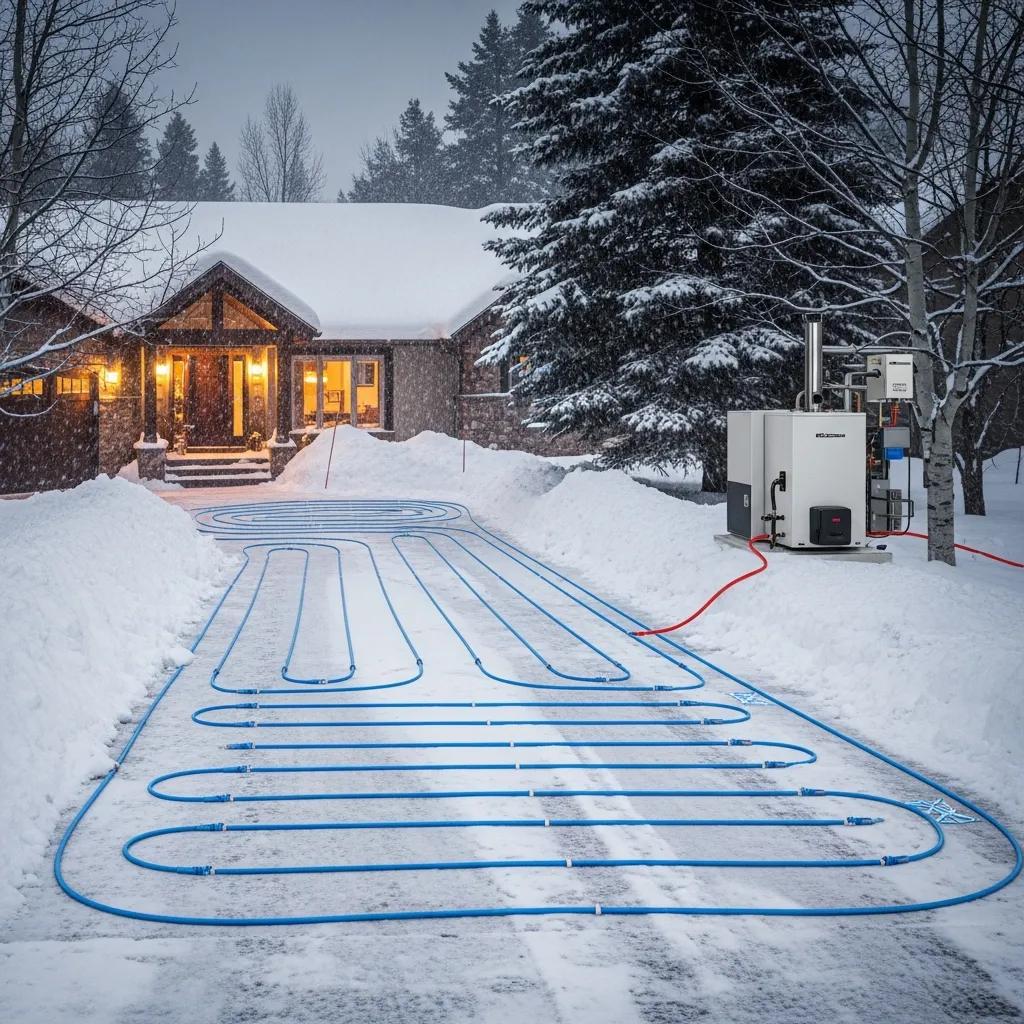
Hydronic Heated Driveways: Design & Efficiency — Colorado Snowmelt Systems and Cost-Smart Solutions
Hydronic heated driveways are a practical, long-term answer to Colorado’s winter conditions. This guide walks you through how these systems work, why they perform well here, and what to consider when budgeting and planning. Whether you’re a homeowner weighing retrofit options or a builder specifying a new job, we’ll cover system basics, design best practices, operating costs, routine upkeep, and how Springs Concrete, LLC supports Colorado projects from start to finish.
What is a hydronic heated driveway and how does it work?
A hydronic heated driveway uses warm water circulated through tubing embedded beneath the surface to melt snow and ice. A boiler heats the water, which flows through durable PEX tubing in a planned layout, transferring heat up through the slab or pavement. The result is a safer, clear driveway without constant shoveling — reducing slip hazards and the time you spend on winter cleanup.
Core components of hydronic snowmelt systems: boilers, PEX tubing, and glycol solutions
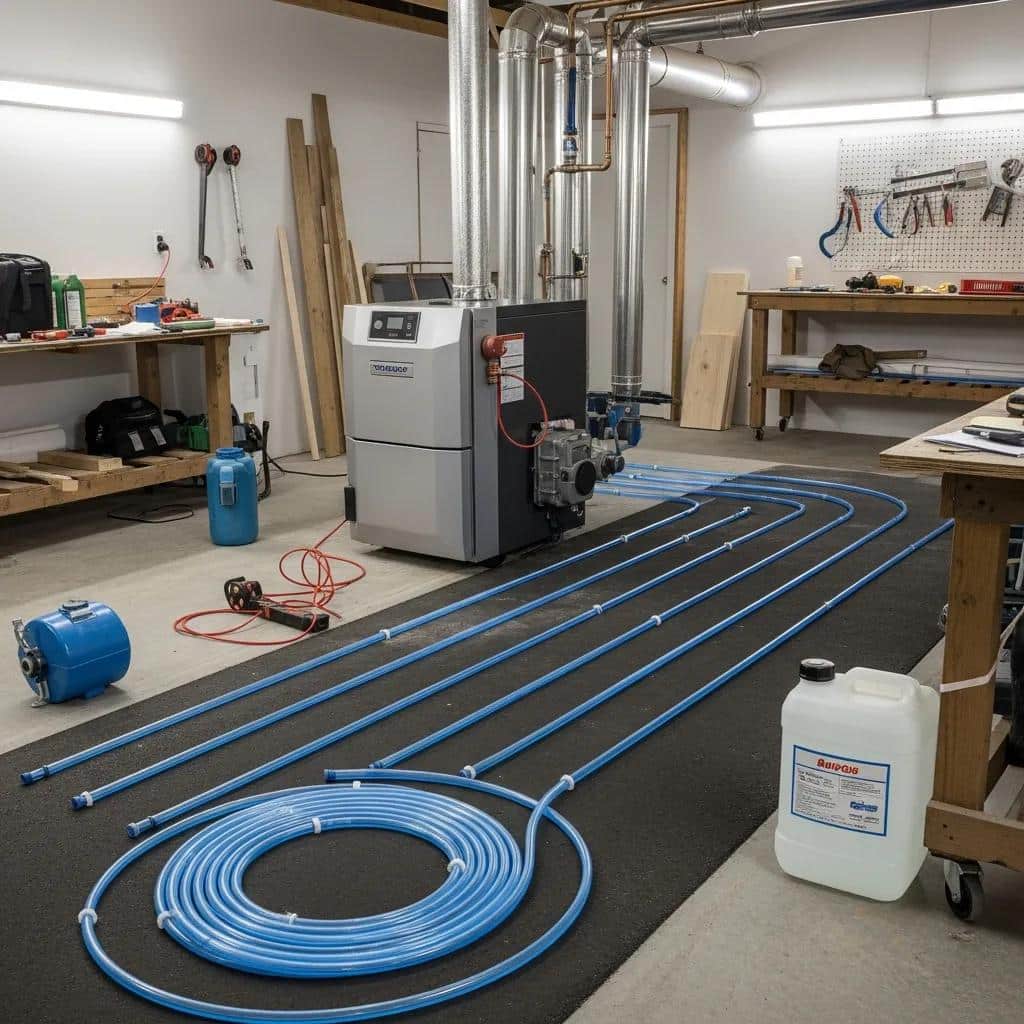
At its heart, a hydronic system includes a heat source (a boiler), PEX tubing routed under the driveway, and often a glycol mix to prevent freeze-up in extreme cold. The boiler heats the fluid, a pump circulates it through the tubing, and the glycol lowers the fluid’s freezing point so the system stays reliable in frigid temperatures.
Combined, these components create efficient, steady heat transfer to the driving surface — a dependable choice where winters are long and snow removal is a recurring chore.
How hydronic systems deliver efficient radiant snow removal
Hydronic snowmelt works by radiant heat: warm fluid in the tubing raises the surface temperature, melting snow on contact and preventing ice buildup. Compared with chemical de-icers, radiant systems are gentler on landscaping and water sources. Installed and tuned correctly, hydronic systems consistently reduce snow accumulation and the time and expense of winter maintenance.
Why choose hydronic heated driveways for Colorado’s variable winters?
Colorado’s weather — sudden storms, mountain microclimates, and shaded north-facing slopes — puts extra strain on conventional snow-clearing methods. Hydronic systems deliver predictable, distributed heat so even challenging driveways stay passable, regardless of slope or exposure.
How hydronic systems handle steep and north-facing driveway challenges
Steep or north-facing drives get less sun and can hold ice longer. Hydronic systems supply steady heat across the surface, preventing snow from bonding to pavement and improving traction. For mountain properties and shaded sites, that consistent heat makes day-to-day access far safer and more reliable.
Safety and accessibility benefits for seniors and homeowners with mobility needs
These systems remove much of the physical burden of winter upkeep. By reducing the need for shoveling and scraping, hydronic driveways lower fall risk and keep entrances accessible for people with limited mobility — an important quality-of-life improvement for families and aging homeowners.
How to design an efficient hydronic snowmelt system for your Colorado driveway
Good design makes a big difference in performance and lifetime cost. Successful systems balance boiler sizing, tubing pattern and spacing, and control strategy to match site conditions and driveway usage. Thoughtful planning upfront reduces energy use and extends system life.
Best practices for boiler installation and system layout
Choose a high-efficiency boiler sized for the driveway’s heat load and local climate. Lay PEX tubing with consistent spacing and at the proper depth to ensure even heat distribution, and keep valves, manifolds, and service access logical and accessible. Investing in a clear, well-documented layout pays off in easier maintenance and fewer hot or cold spots.
How energy-efficient design cuts operating costs and environmental impact
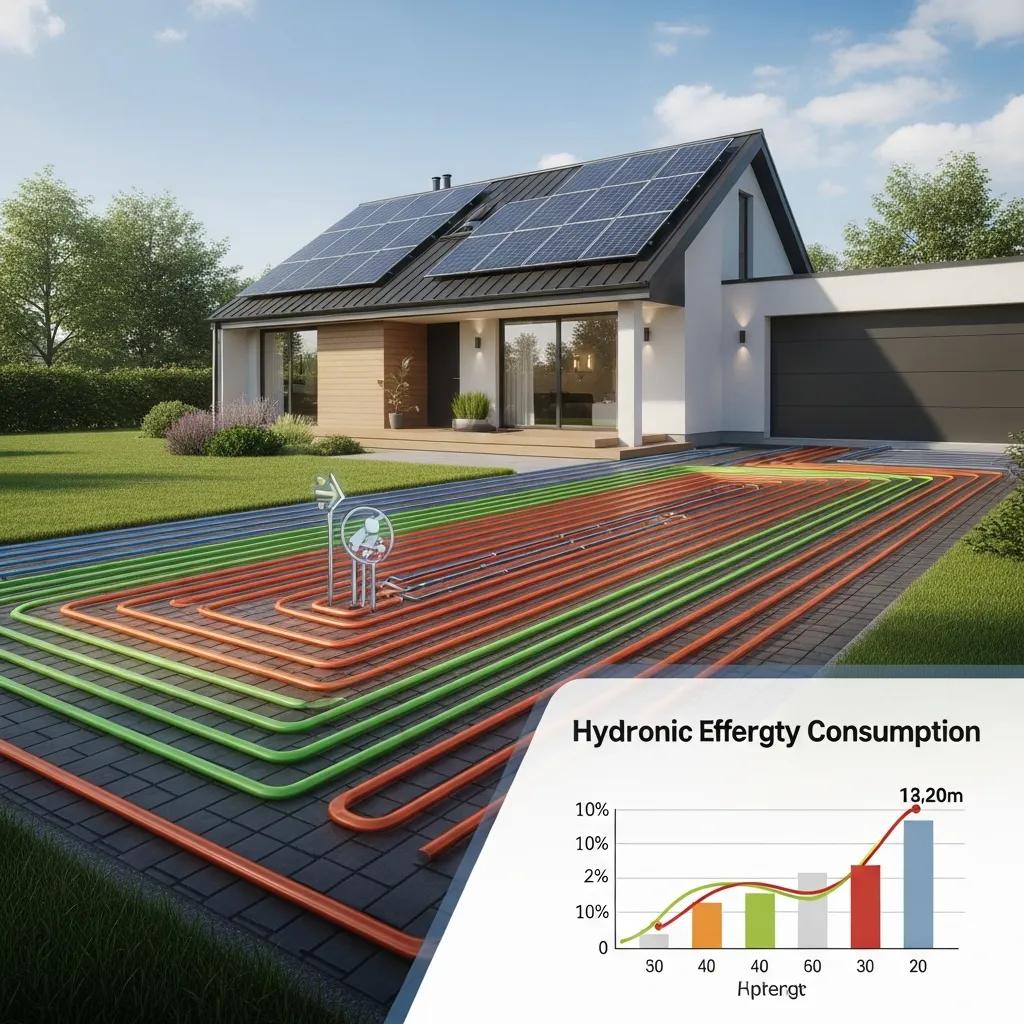
Using a high-efficiency boiler, smart controls, and an optimized tubing layout lowers energy consumption and keeps running costs down. That efficiency also reduces your carbon footprint compared with repeated plowing, hauling, or heavy chemical use — a practical environmental gain for homeowners who want dependable snow control with lower ongoing impact.
What are the costs and long-term savings of hydronic heated driveways in Colorado?
Understanding cost drivers helps you weigh options. Typical installation costs vary with driveway size, slope, layout complexity, and local permitting.
How installation costs vary with driveway size, slope, and local policies
Expect installation costs generally in the range shown below, with steeper or more complex drives costing more because they require extra tubing and labor. Local building codes and permit requirements can also affect the final price, so we recommend consulting with a contractor experienced in Colorado regulations.
Return on investment versus electric systems and traditional snow removal
Hydronic systems often cost more to install than simple electric mats but can offer lower operating costs over time — especially on larger driveways. Compared with repeated contractor callouts or heavy use of de-icers, hydronic snowmelt can pay back through reduced maintenance, increased convenience, and added property value in snowy climates.
| Cost Factor | Hydronic Heated Driveways | Electric Systems | Traditional Snow Removal |
|---|---|---|---|
| Installation Cost (per sq. ft.) | $25-35 | $20 – $30 | Varies |
| Operating Cost (annual) | Low | Moderate | High |
| Maintenance Cost (annual) | Low | Moderate | High |
| ROI Period | 7-15 years | 3-5 years | N/A |
The table summarizes typical cost and performance differences so you can compare options for your property. Exact numbers will depend on site-specific conditions and system choices.
How to maintain and extend the life of your hydronic heated driveway system
Routine care keeps your system reliable and efficient. Regular inspections and timely service prevent small issues from becoming big problems.
Routine maintenance for glycol and boiler components
Common maintenance tasks include checking glycol concentration and fluid level, inspecting the boiler and fittings for leaks, and confirming pumps and controls run smoothly. Annual professional service is recommended to test antifreeze levels, flush or top off fluids as needed, and verify system performance before the snow season.
How proper upkeep maximizes efficiency and lifespan
Keeping components clean, addressing wear early, and following a regular inspection schedule protect your investment. A well-maintained system uses less energy, avoids costly repairs, and delivers dependable snowmelt year after year.
How Springs Concrete, LLC delivers hydronic heated driveway solutions across Colorado
Springs Concrete, LLC specializes in heated concrete driveways in Colorado, offering experience with both electric and hydronic systems. With over 18 years serving local homeowners, we provide design-build services tailored to Colorado’s climate and permitting landscape.
What sets Springs Concrete’s design-build services apart for Colorado weather
We pair regional experience with practical design: sizing boilers for mountain conditions, routing tubing for even heat, and specifying controls suited to local use patterns. That focus on real-world performance helps ensure installations that perform reliably through Colorado winters.
How Springs Concrete helps clients navigate REMP policies and permitting
Local rules and REMP policies can affect installation options. We help clients understand permitting requirements and design systems that meet code and incentive rules, smoothing the approval process and keeping projects on schedule.
Frequently Asked Questions
What are the environmental benefits of hydronic heated driveways?
Hydronic systems reduce reliance on chemical de-icers, which can harm plants and enter waterways. When paired with high-efficiency boilers and smart controls, they also use less energy than repeated mechanical snow removal and can lower overall emissions related to winter maintenance.
Can hydronic heated driveways be installed in existing driveways?
Yes. Retrofitting is possible, but it usually involves removing the existing surface to install tubing and controls, which can increase cost and time compared with new construction. A site inspection will determine feasibility and the best approach for your driveway.
How long does it take to install a hydronic heated driveway?
Installation time depends on driveway size, layout complexity, and weather. Typical projects range from a few days up to a couple of weeks; that includes excavation, tubing installation, concrete placement, and curing time. Your contractor can provide a project schedule based on specific site conditions.
What maintenance is required for hydronic heated driveways?
Keep an eye on glycol levels, monitor the boiler for leaks or error codes, and schedule annual professional checks. Regular system checks and timely service keep performance high and reduce the risk of unexpected downtime during winter.
Are there warranties or guarantees for hydronic heated driveway systems?
Many manufacturers and installers offer warranties on components (boilers, PEX tubing) and workmanship. Warranty terms vary, so ask for details on coverage length and what’s included before you commit to a system.
How do hydronic heated driveways compare to electric systems in efficiency?
Hydronic systems are typically more efficient for larger areas because water moves heat more effectively than electric elements across a slab. They often have lower operating costs over time, though electric systems can be simpler to install for small zones. The right choice depends on driveway size, local energy costs, and project goals.
Conclusion
For Colorado homeowners who want safer, more reliable winter access, hydronic heated driveways are a proven solution. They reduce shoveling, limit chemical use, and — when well designed and maintained — deliver long-term savings and convenience. If you’re considering snowmelt for your property, Springs Concrete, LLC can help evaluate options, design a system that fits your site, and guide the project through permitting and installation.