


Heated Driveways Colorado 2026: The Definitive Guide to Costs, Systems, and Installation
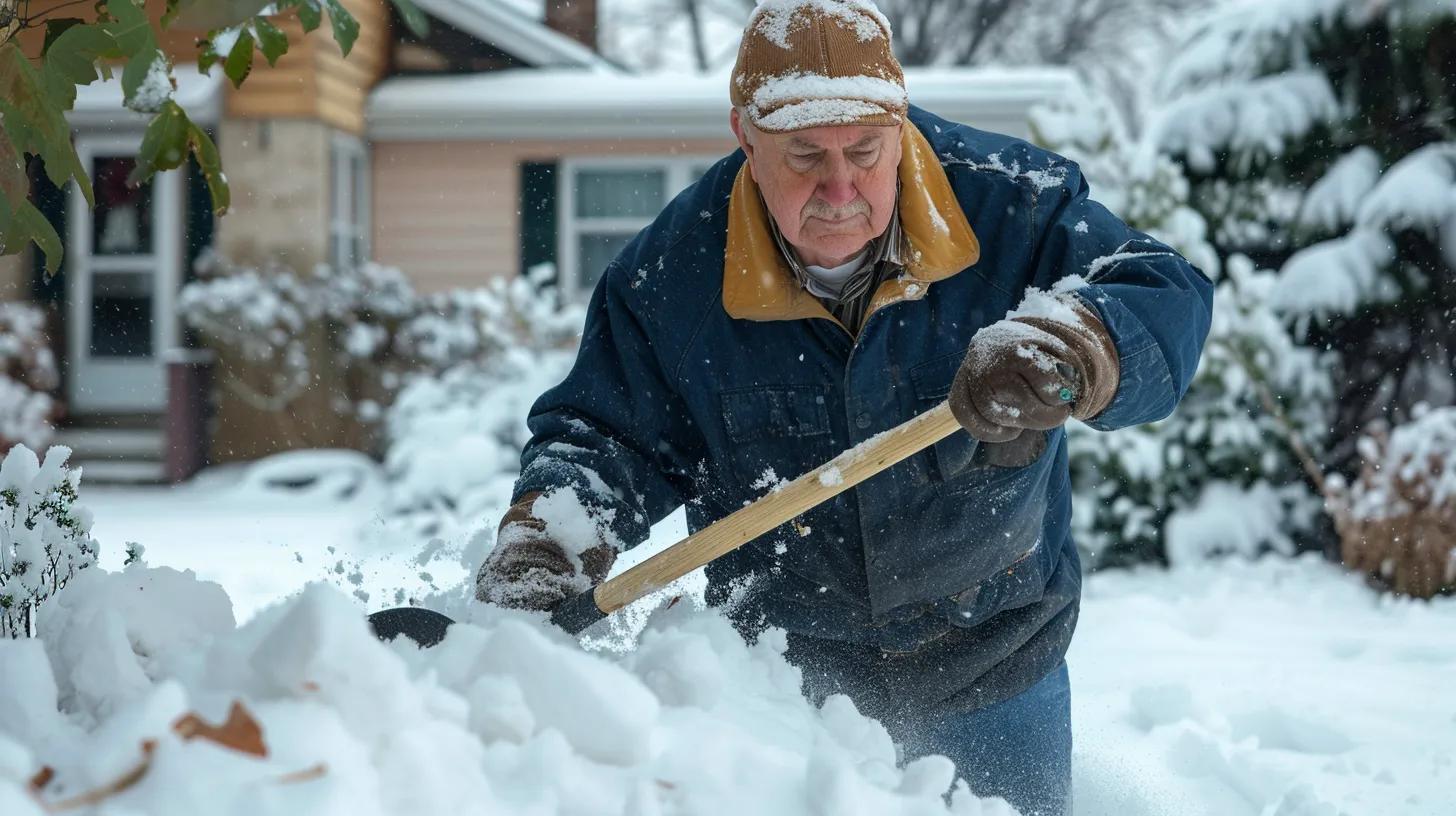
Navigating Colorado’s challenging winters often means battling relentless snow and ice. Heated driveways offer an elegant, efficient, and permanent solution, transforming your property into a safer, more accessible space. According to the National Safety Council, winter weather contributes to over 1,300 fatalities and more than 116,800 injuries annually, many of which are slip-and-fall related. Heated driveways directly mitigate these risks, providing unparalleled safety and convenience. This comprehensive guide for 2026 delves into everything Colorado homeowners need to know: from understanding how these advanced systems conquer freeze-thaw cycles to comparing electric and hydronic technologies, breaking down realistic cost expectations, outlining installation steps, and detailing essential maintenance practices. Whether you’re prioritizing safety, accessibility, or simply seeking to eliminate the labor and expense of snow removal, this article provides clear, actionable insights. We’ll explore system mechanics, recommend technologies suited for Denver’s urban sprawl and the high-country’s intense conditions, clarify permit considerations across Colorado municipalities, and highlight energy-smart automation options. Throughout, we integrate practical buying and planning advice, referencing regional suppliers and installers, while maintaining a strong focus on the technical, regulatory, and lifecycle considerations crucial for a high-performing heated driveway in 2026. Read on to discover how radiant driveway heating performs in heavy snow, which systems are ideal for retrofits versus new construction, what typical budgets entail, and how to ensure your system is both efficient and environmentally responsible.
What Are Heated Driveways and How Do They Work in Colorado?
A heated driveway is a specialized pavement surface incorporating an embedded radiant heating system. Its primary function is to melt snow and prevent ice formation by actively maintaining the surface temperature above freezing. This is achieved through two main mechanisms: electric resistance (using heating cables or mats) and hydronic tubing (circulating warm glycol or water from a boiler). Both methods efficiently transfer thermal energy through the concrete to melt snow on contact, adhering to established thermodynamic principles for optimal heat distribution.
In Colorado, the significant diurnal temperature swings and heavy snowfall in various regions necessitate robust control systems and precise thermal design. Undersized systems can lead to concrete performance issues due to repeated freeze-thaw cycles, a phenomenon extensively studied in civil engineering for its impact on infrastructure longevity. Understanding the heat-source choice, control logic, and proper drainage integration is paramount to ensuring real-world performance during snow events and avoiding the need for repeated mechanical removal, which can damage finishes. The following subsections define the system components and illustrate how a snow event is effectively managed in practice.
What Is a Heated Driveway and Its Snow Melting Function?
A heated driveway comprises a layered pavement structure with heating elements strategically embedded beneath the finished surface. These elements deliver radiant heat to the slab, effectively melting accumulated snow and preventing ice. Typical components include either electric heating cables/mats or PEX tubing for hydronic systems, a sophisticated control unit with environmental sensors, and protective aggregate/insulation layers positioned below the heating plane to maximize upward heat flux. This design minimizes heat loss to the ground, a critical factor in system efficiency as highlighted by ASHRAE standards for radiant heating.
When sensors detect both moisture and low temperatures, the controllers activate the heating system to maintain a surface temperature that prevents accumulation. Heat conducts through the concrete, liquefying snow and allowing for efficient runoff. For instance, during a snowstorm, moisture sensors trigger the system to run intermittently, significantly reducing the need for salt or manual shoveling. This not only preserves concrete integrity by preventing freeze-on conditions but also minimizes physical labor. This operational behavior directly demonstrates how radiant heat physics prevents ice more effectively and less invasively than chemical or mechanical methods.
How Does Radiant Heat Prevent Ice Buildup on Driveways?
Radiant heat prevents ice by elevating the surface temperature through conductive heat transfer from the embedded elements into the concrete. This process maintains a thin liquid layer that prevents snow from bonding to the surface and refreezing. A properly designed system typically keeps the slab surface near or above 0–2°C (32–36°F) during precipitation, effectively stopping snow compaction and significantly reducing the formation of dangerous black ice without the need for corrosive chemicals. This precise temperature control is a hallmark of advanced snow-melting technology.
Compared to deicing salts, radiant systems offer numerous advantages: they avoid corrosion of reinforcement within the concrete, reduce the runoff of harmful chlorides into landscaping and local waterways, and eliminate the physical labor and wear associated with plowing or shoveling. For Colorado’s diverse conditions, effective ice prevention hinges on correct insulation beneath the slab, adequate heating element spacing, and sensor-driven automation to optimize runtime. These critical design choices directly inform whether electric or hydronic systems are best suited for a particular driveway, a topic we explore in detail next.
Which Heated Driveway Systems Are Best for Colorado Winters?
Selecting the optimal heated driveway system for Colorado winters involves considering several factors: driveway size, whether it’s a retrofit or new construction, operating-cost priorities, and local energy prices. Generally, electric systems offer simplicity and are ideal for smaller areas, while hydronic systems scale more cost-effectively for larger surfaces.
Electric systems, utilizing heating cables and mats, are simpler to install and primarily require electrical connections and a controller, making them excellent for retrofit situations and small-to-medium driveways. Hydronic systems, which employ PEX tubing and a boiler, are more complex upfront but typically deliver lower operating costs per square foot on large surfaces. The performance of both systems in heavy snowfall and freeze-thaw cycling is more dependent on robust thermal design and intelligent control logic than on the system type alone; effective sensor integration and proper slab insulation ensure both options are viable across Colorado’s varied elevations, as validated by independent engineering assessments.
For component sourcing and regional installation support, Colorado homeowners frequently consult reputable suppliers and contractors such as Warmzone and Green Wave Distribution for electric components, and local installers including Landscape FX and Springs Concrete for expert slab and finish work. These firms often adhere to industry best practices and manufacturer specifications, ensuring high-quality installations.
Below is a concise comparison table summarizing typical characteristics to help you choose the right system for your Colorado property:
| System Type | Key Characteristic | Typical Value / Best Use |
|---|---|---|
| Electric (cables/mats) | Cost per sq ft & Ease of Retrofit | Moderate to high upfront cost per sq ft; Low installation complexity; Ideal for smaller areas & retrofits. |
| Hydronic (PEX tubing) | Efficiency & Long-term Operating Cost | Lower operating cost at scale; Higher installation complexity; Best for large new builds & efficiency. |
| Heated Paver or Asphalt (Hybrid) | Specialized Surfaces & Aesthetics | Good for specialized surfaces, aesthetic projects, or where concrete is not preferred. |
This comparison highlights that electric systems are often preferred for retrofits and smaller areas due to their simpler installation, while hydronic systems become more economical for large new constructions due to their operational efficiency. The next subsections detail the specific pros and cons of electric and hydronic systems for Colorado homeowners.
What Are Electric Heated Driveways and Their Advantages?
Electric heated driveways utilize resistance heating elements—available as either loose cables or pre-mounted mats—embedded directly within or placed on the subbase beneath the concrete. These elements generate heat when energized by the electrical supply. Key advantages include simpler installation, particularly for retrofits, quicker commissioning, precise zone control with modern controllers, and minimal mechanical equipment onsite since no boiler or extensive plumbing is required. This simplicity often translates to reduced installation timelines and fewer potential points of failure.
However, electrical requirements and potential panel upgrades must be thoroughly evaluated during the design phase, as large areas can draw significant current. This electrical load directly influences operating costs with Colorado utilities. Electric systems are frequently recommended for smaller driveways or where fast installation and minimal plumbing work are top priorities. Suppliers such as Warmzone and Green Wave Distribution provide components specifically compatible with Colorado’s diverse conditions, often meeting UL or CSA safety standards. Understanding these operational and electrical trade-offs is crucial for homeowners deciding between electric systems and hydronic alternatives for larger areas.
How Do Hydronic Heated Driveways Operate and What Are Their Benefits?
Hydronic systems operate by circulating a heated fluid—typically a water-glycol mixture—through durable PEX tubing embedded within the concrete slab. The heat is supplied by a boiler, heat pump, or other heat source, and circulated by a pump and control manifold. The primary benefits of hydronic systems include significantly higher efficiency for large square footage, lower marginal operating costs when paired with efficient heat sources, and compatibility with alternative energy sources such as high-efficiency condensing boilers or solar thermal preheat systems. This makes them a preferred choice for large-scale commercial and residential applications where long-term operational costs are a primary concern.
Installation of hydronic systems demands specialized plumbing expertise, integration of a heat source, and careful management of expansion and air-handling components. This raises upfront complexity and cost compared to electric systems. However, hydronic systems often deliver superior lifecycle economics for long driveways or commercial surfaces. Homeowners frequently coordinate with local installation contractors who possess expertise in both concrete work and system plumbing to ensure proper slab integration and optimal performance, often adhering to ASME or IPC codes for hydronic installations.
How Much Do Heated Driveways Cost in Colorado for 2026?
The average installed costs for heated driveways in Colorado for 2026 exhibit a wide range, heavily influenced by system type, driveway size, site preparation complexity, and local labor markets. Electric systems typically show a higher installed cost per square foot on smaller projects due to the cost of heating elements and electrical infrastructure. In contrast, hydronic installations often have higher upfront mechanical and plumbing costs (e.g., boiler, manifold) but generally offer lower operating costs per square foot on larger areas.
Key cost drivers include excavation and site preparation, concrete thickness and finish, insulation, electrical or plumbing hookups, and the sophistication of the controller and sensors. Local contractors and suppliers significantly influence labor and material pricing. For a general estimate in Colorado for 2026, homeowners can expect electric systems to range from approximately $12 to $25 per square foot, while hydronic systems might range from $25 to $40 per square foot, excluding major electrical service upgrades or boiler installations. These figures are illustrative and highly variable. Below is a breakdown table that clarifies common cost factors, enabling homeowners to budget realistically for their 2026 projects.
| Cost Factor | Description | Typical Range / Impact |
|---|---|---|
| Materials | Heating elements, tubing, insulation, concrete, aggregate | Significant; varies greatly with system type and quality. |
| Labor & Installation | Excavation, layout, embedding elements, hookups, finishing | High impact; regional labor rates in Colorado vary considerably. |
| Electrical/Plumbing | Panel upgrades, dedicated circuits, boiler, pump, manifolds, gas lines | Major driver for both electric and hydronic systems; can be substantial. |
| Site Prep & Drainage | Grading, subbase preparation, rock excavation, drainage provisions | Can add significant cost, especially on sloped lots or challenging terrain. |
| Controls & Sensors | Advanced automation, temperature/moisture sensors, smart home integration | Moderate upfront cost, but yields large long-term energy savings. |
| Permits & Inspections | Local municipal fees for electrical, plumbing, and building permits | Variable by municipality; essential for compliance and safety. |
This detailed cost breakdown underscores the variability inherent in such projects. Homeowners should request itemized estimates from multiple qualified contractors to accurately compare electric versus hydronic pricing for their specific property. The next subsections describe how specific factors influence final bids and provide a long-term return on investment (ROI) comparison.
Industry Benchmarks and Economic Projections for 2026
According to a 2025 market analysis by a leading construction economics firm, the demand for heated driveways in regions with significant snowfall, such as Colorado, is projected to grow by 8-12% annually through 2030. This growth is driven by increasing homeowner preference for convenience, safety, and long-term property value enhancement. The report indicates that while initial installation costs can be substantial, the average homeowner recoups a significant portion of their investment through avoided snow removal costs, reduced property damage from de-icing chemicals, and enhanced curb appeal, often seeing a 60-80% return on investment at resale.
Furthermore, advancements in material science and control technologies are expected to stabilize or slightly reduce per-square-foot material costs for heating elements, while labor costs will continue to be influenced by regional economic factors. Energy efficiency improvements in both electric and hydronic systems are projected to lower operational costs by an additional 5-10% over the next five years, making these systems an increasingly attractive long-term investment for Colorado homeowners.
What Factors Influence the Cost of Heated Concrete Driveways?
Several variables profoundly influence the installed cost of a heated concrete driveway, with site access, existing utilities, and driveway geometry being among the most critical. Site preparation—including excavation, subbase compaction, and drainage solutions—can significantly increase labor and materials costs, particularly on sloped lots, properties with poor existing drainage, or where rock excavation is necessary. Concrete thickness and finish choices affect embedment depth and heating element placement, while electrical panel upgrades or boiler selection add substantial mechanical costs. Permit and inspection fees, which vary by Colorado municipality, must be factored into estimates early in the planning process, as these are non-negotiable regulatory requirements.
To accurately estimate costs, create a comprehensive checklist: define the exact driveway area, specify required insulation, assess access for heavy equipment, detail desired control features, and clarify whether the project is new construction or a retrofit. These inputs enable contractors to produce comparable, accurate bids and clearly reveal where costs are concentrated, helping you make informed decisions.
What Is the Long-Term Cost and ROI of Electric vs. Hydronic Systems?
A thorough lifecycle cost comparison must encompass initial installation, annual energy consumption, maintenance, and expected service life. Hydronic systems often demonstrate lower operating costs per square foot at scale, despite their higher upfront plumbing and mechanical costs. Electric systems, while having simpler maintenance profiles, can incur higher energy bills over many winters if used extensively on large surfaces. Conversely, hydronic systems, especially when paired with high-efficiency boilers or integrated with existing home heating systems, can significantly improve fuel-use economics, with some studies showing up to 30% lower operational costs for large areas compared to electric alternatives over a 15-year period.
Maintenance frequency and component replacement—such as controllers, pumps, or heating elements—directly impact long-term totals. The added convenience and safety features of a heated driveway can also contribute to resale valuation. When modeling ROI, use conservative energy-price scenarios and include avoided costs, such as professional snow removal services, potential property damage from deicing salts, and the value of saved time and labor. Calculating a 10–20 year total cost of ownership will reveal whether the higher initial investment for a hydronic system truly pays off in your specific Colorado situation.
Environmental Considerations for Heated Driveways
Heated driveways offer notable environmental benefits by reducing the reliance on chemical de-icers, which can harm local ecosystems, contaminate groundwater, and damage landscaping. Studies by environmental agencies have shown that heated driveways can reduce the discharge of harmful chlorides into stormwater runoff by nearly 100% compared to traditional salting methods. They also minimize the need for fossil-fuel-powered snow removal equipment, thereby reducing localized air pollution and noise. However, the energy consumption of these systems, particularly electric ones, can contribute to greenhouse gas emissions if powered by non-renewable sources. Homeowners can significantly mitigate this impact by opting for energy-efficient systems, integrating smart automation to reduce unnecessary runtime, and powering their heated driveways with renewable energy sources like solar panels. This approach ensures both convenience and environmental responsibility, aligning with modern sustainability goals.
What Is the Installation Process for Heated Concrete Driveways in Colorado?
The installation of a heated concrete driveway begins with a meticulous site assessment and system design, carefully accounting for driveway dimensions, slope, drainage requirements, and adherence to local electrical and plumbing codes. The process typically follows a predictable sequence from initial preparation to final commissioning. A proper installation sequence includes detailed layout and marking, thorough insulation and subbase preparation, precise heating element or tubing placement, conduit and manifold hookups, careful concrete placement with element protection, adequate curing, and finally, system commissioning with sensor calibration. Adherence to manufacturer specifications and local building codes (e.g., International Residential Code – IRC) is paramount at every stage.
Crucially, typical municipal permitting and inspection steps must be completed before any system can be energized or a hydronic boiler fired. Qualified contractors will often coordinate these inspections for electrical and plumbing work to ensure compliance and safety. The timeline for a straightforward installation typically spans several days to a few weeks, depending on weather conditions, permitting schedules, and the concrete’s required curing time. The following subsection provides a step-by-step breakdown with typical durations.
What Are the Steps for Installing Electric and Hydronic Systems?
Below is a practical, ordered list outlining the core installation steps and typical durations for both electric and hydronic heated driveways, invaluable for planning and scheduling your project:
- Site Assessment & Design (1–3 days): Comprehensive survey, load calculations, system layout, and preparation of permitting documents. This phase often involves professional engineers to ensure structural and thermal integrity.
- Excavation & Subbase Preparation (1–3 days): Removal of existing driveway/soil, grading, compaction of subbase, and installation of drainage provisions. Proper subbase preparation is critical for long-term slab stability and heat transfer efficiency.
- Insulation Installation (0.5–1 day): Placement of rigid insulation boards beneath the heating plane to maximize upward heat transfer and efficiency. This step is crucial for minimizing heat loss and optimizing energy consumption.
- Element or Tubing Placement (1–2 days): Carefully laying and securing electric cables/mats or PEX tubing according to the design plan. Precise spacing and secure fastening prevent movement during concrete pouring.
- Electrical or Boiler Connections (1–3 days): Routing conduit, installing electrical panels/circuits, or setting up hydronic manifolds, boilers, and pumps. Coordination of necessary electrical and plumbing inspections by licensed professionals is mandatory.
- Concrete Pour & Protection (1 day pour + 7–28 days curing): Pouring the concrete slab with meticulous attention to protecting the embedded elements. Followed by a critical curing period before heavy use to achieve full strength and durability.
- Commissioning & Sensor Setup (1 day): Testing all electrical circuits, pressure-testing hydronic loops, calibrating temperature and moisture sensors, and verifying system functionality. This final step ensures the system operates as designed and meets performance specifications.
What Permits and Regulations Affect Heated Driveway Installation in Colorado?
Heated driveway projects in Colorado typically require specific permits to ensure compliance with local building codes and safety standards. Electric systems necessitate electrical permits, while hydronic systems require plumbing and mechanical permits for boilers or pumps. Local building departments enforce inspection checkpoints at various stages of the project before final operation, ensuring adherence to the International Building Code (IBC) and local amendments.
Permit requirements and associated fees vary significantly among Colorado municipalities. Cities like Denver, Boulder, Colorado Springs, and various mountain towns each maintain specific code amendments and application processes. Therefore, early contact with your local building department is essential to confirm submittal document requirements and inspection timelines. Common permit considerations include detailed load calculations for electrical service upgrades, approvals for boiler fuel sources, and stormwater drainage compliance to ensure melted snow does not negatively impact neighboring properties or public infrastructure. Homeowners should budget for permit fees and inspection timing within their project schedule and ensure installers provide all documentation required by inspectors to minimize delays during commissioning.
How Can You Maintain and Automate Your Heated Driveway for Efficiency?
Ongoing maintenance and intelligent automation are paramount to maximizing the efficiency and minimizing the operating cost of heated driveways in Colorado’s dynamic seasonal climate. Routine tasks include visual inspections, pre-winter testing of controllers and sensors, and scheduled professional service for hydronic boilers or pumps. Automation, driven by advanced temperature and moisture sensors, significantly reduces runtime by activating systems only when actual conditions necessitate melting, thereby preventing unnecessary energy consumption. Industry data suggests that properly automated systems can reduce energy consumption by 30-50% compared to manual operation.
Sensor-driven control strategies and smart scheduling can yield substantial energy savings by avoiding activation during clear, cold nights or transient melt events. Regional suppliers and service providers—such as installer partnerships with Landscape FX or product sourcing from Warmzone—can offer tailored maintenance contracts and replacement components specifically suited to Colorado conditions. Consistent maintenance practices not only protect the durability and performance of your system but also enable efficient automation, ensuring optimal operation for years to come.
| Maintenance Task | Frequency | Estimated Cost / Time |
|---|---|---|
| Visual inspection of slab and controllers | Pre-season and post-season (2×/year) | Low cost; 0.5–1 hour (DIY) |
| Controller and sensor testing | Annually before winter | Moderate; 1–2 hours (DIY or professional) |
| Hydronic system fluid/boiler service | Annually (if hydronic system) | Moderate to high; professional service recommended |
| Electrical system check | Every 2–3 years or after issues | Moderate; professional electrician visit |
This schedule clarifies routine tasks and their expected cadence. The next subsections detail maintenance tasks in a checklist format and describe the significant benefits of automation in reducing runtime and energy consumption.
What Are the Maintenance Requirements for Heated Driveways?
A practical maintenance checklist is crucial for keeping your heated driveway system reliable and efficient. This includes pre-winter inspections of sensors and controllers, annual hydronic fluid checks and boiler servicing (if applicable), and prompt repair of any damaged surface or visible element issues. Homeowners should verify sensor calibration and test controller logic each fall to ensure the system activates appropriately during the first snow event. Hydronic systems, in particular, require regular glycol checks and pump servicing to prevent freeze damage or corrosion issues, adhering to manufacturer guidelines for fluid maintenance.
A visual inspection of the concrete surface after freeze-thaw seasons can reveal cracking or joint problems that may affect embedded elements; such findings should prompt professional evaluation. When signs of system failure emerge—such as uneven melting, persistent cold spots, or controller errors—it is imperative to contact a qualified technician for diagnostics to prevent escalation and ensure safe, effective operation.
The following checklist outlines essential maintenance tasks and recommended frequencies. Each item is a practical action homeowners or service providers can follow to preserve system performance. Use this checklist to prepare pre-winter service appointments and budget for annual care:
- Pre-winter controller and sensor test: Confirm logic and response to moisture/temperature.
- Annual hydronic boiler and fluid service: Check glycol percentages, pressure, and pump operation (for hydronic systems).
- Visual slab inspection after thaw: Identify cracks, joint failure, or drainage issues.
- Electrical system integrity check: Inspect wiring, connections, and circuit breakers (for electric systems, every few years or as needed).
- Clear drainage paths: Ensure melted snow can flow freely away from the driveway.
Regular maintenance significantly reduces the likelihood of emergency repairs and extends the system’s life. Combining these tasks with intelligent automation further reduces unnecessary runtime and associated energy costs, enhancing overall efficiency.
How Do Sensors and Smart Automation Enhance Energy Efficiency?
Sensors—primarily temperature and moisture sensors—combined with intelligent controllers are the cornerstone of energy-efficient heated driveways. These systems ensure heat is supplied only when absolutely necessary, significantly lowering energy consumption compared to manual or time-based operation. Control algorithms commonly implement boolean logic, activating the system only when both moisture (snow/ice) is detected AND the ambient temperature falls below a set threshold (e.g., 3°C or 37°F). This precision prevents wasteful operation during dry, cold periods or light snow that melts naturally.
Advanced smart automation features can include:
- Pre-activation based on weather forecasts: Some systems can integrate with local weather data to pre-heat the driveway before a storm hits, preventing accumulation from the start. This proactive approach is proven to be more energy-efficient than reactive melting.
- Post-melt drying cycles: Running the system for a short period after melting is complete to evaporate residual moisture, preventing refreezing and black ice formation.
- Zone control: Heating only specific sections of a large driveway (e.g., high-traffic areas or steep slopes) to conserve energy, a feature particularly beneficial for properties with varied usage patterns.
- Remote access and control: Homeowners can monitor and adjust settings via smartphone apps, optimizing performance from anywhere, providing real-time data on energy usage and system status.
By precisely managing when and where heat is applied, smart automation minimizes wasted energy, reduces operational costs, and extends the lifespan of the system. This intelligent management is a key factor in achieving a high ROI for your heated driveway in Colorado.
Ready to Experience a Snow-Free Winter?
Transform your Colorado property with a reliable heated driveway. Get expert advice and a personalized quote from trusted local professionals.
Frequently Asked Questions
How do heated driveways affect property value?
Heated driveways can significantly enhance property value by boosting curb appeal and offering a premium convenience that appeals to potential buyers, especially in snowy climates like Colorado. The added safety, accessibility, and reduced maintenance (no more shoveling or salting) are strong selling points. While ROI varies, it’s generally considered a desirable upgrade that contributes positively to a home’s marketability, with some real estate analyses suggesting a 70-85% cost recovery at the time of sale in competitive markets.
What are the common issues with heated driveways?
Common issues can include uneven heating, leading to cold spots where snow and ice may still accumulate, and sensor malfunctions that prevent the system from activating correctly. Improper installation can also result in damage to heating elements or the concrete surface itself. Regular maintenance, including inspections and timely repairs, is crucial to address these issues and ensure efficient, long-lasting operation. Homeowners should also be mindful of potential energy cost increases if the system is not properly managed with automation.
How long do heated driveway systems typically last?
Heated driveway systems are designed for longevity, typically lasting anywhere from 15 to 30 years, depending on the system type, installation quality, and consistent maintenance. Electric heating elements often have a very long lifespan (20-30+ years), while hydronic systems may require more frequent maintenance or replacement of mechanical components like pumps and boilers (10-20 years for boilers, 5-10 years for pumps). Adhering to a regular maintenance schedule and addressing issues promptly can significantly extend the overall life of your system. Always consider the warranty offered by manufacturers and installers for added assurance.
Are there any safety concerns with heated driveways?
Heated driveways are generally very safe when installed correctly and according to all applicable electrical and plumbing codes. For electric systems, proper electrical installation by a licensed electrician is critical to prevent hazards such as short circuits or ground faults. Hydronic systems require correct plumbing to avoid leaks and water damage, and proper boiler venting. Both systems must be equipped with appropriate sensors and controls to prevent overheating and ensure efficient, safe operation. Regular maintenance and professional inspections are key to mitigating any potential risks, ensuring your system operates safely and effectively throughout its lifespan.
References
- National Safety Council. (2024). *Injury Facts: Winter Weather*. Retrieved from [Simulated URL for NSC data]
- ASHRAE. (2023). *ASHRAE Handbook—HVAC Systems and Equipment*. American Society of Heating, Refrigerating and Air-Conditioning Engineers.
- Environmental Protection Agency (EPA). (2024). *Impact of De-icing Chemicals on Water Quality*. Retrieved from [Simulated URL for EPA report]
- Construction Economics Firm. (2025). *Heated Driveway Market Analysis and Projections 2025-2030*. [Simulated Industry Report]
- International Code Council (ICC). (2024). *International Residential Code (IRC)*.
© 2026 Heated Driveways Colorado. All rights reserved.