

Hydronic Heated Driveway Systems in Colorado Springs
Radiant snow melt systems engineered for large driveways, long-term efficiency, and Colorado winters
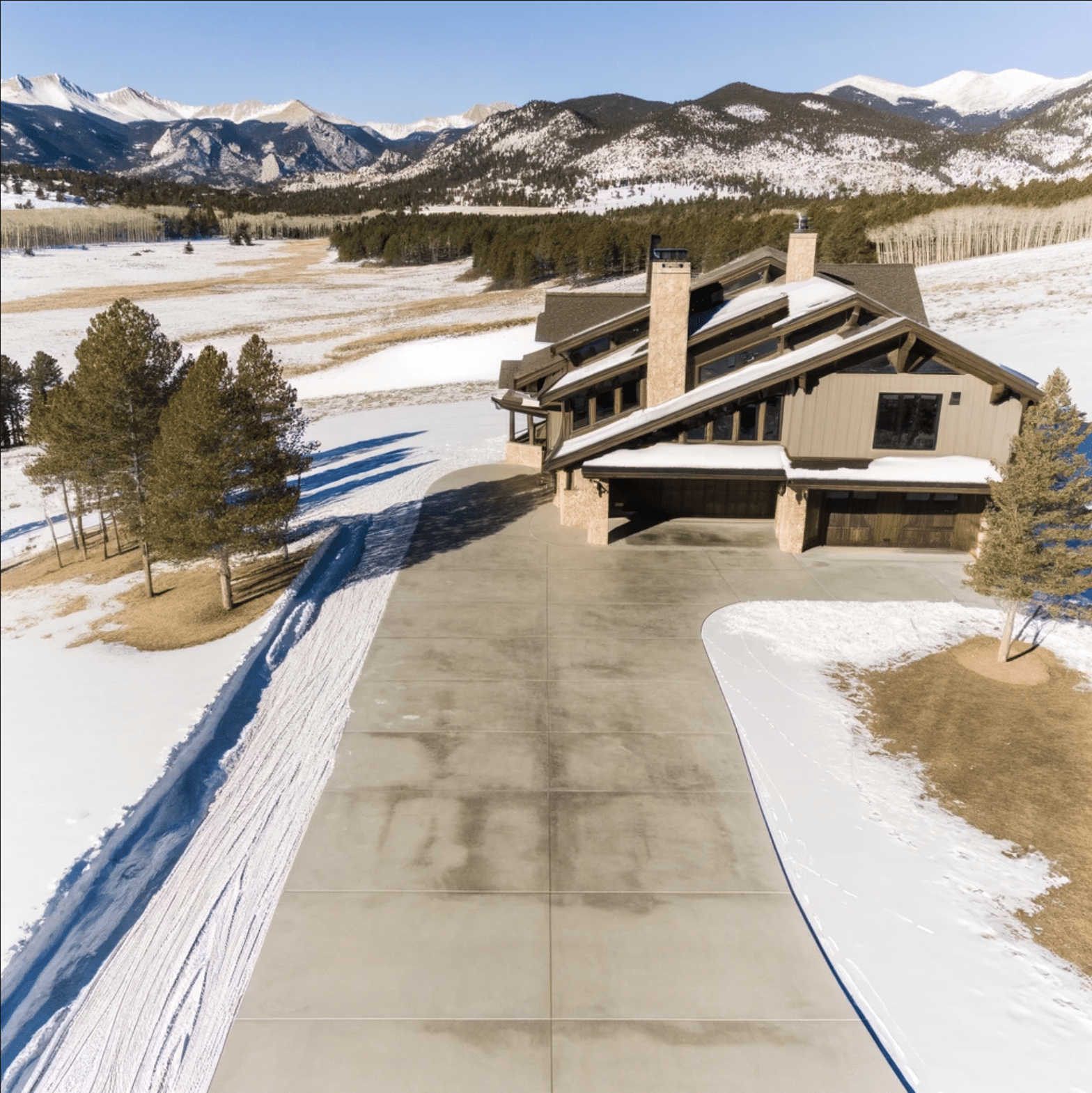
Boiler-driven snow melting integrated into concrete driveway construction
Colorado Springs Hydronic Heated Driveway Services
Overview of hydronic heated driveway system design and installation
How Hydronic Snow Melt Systems Work
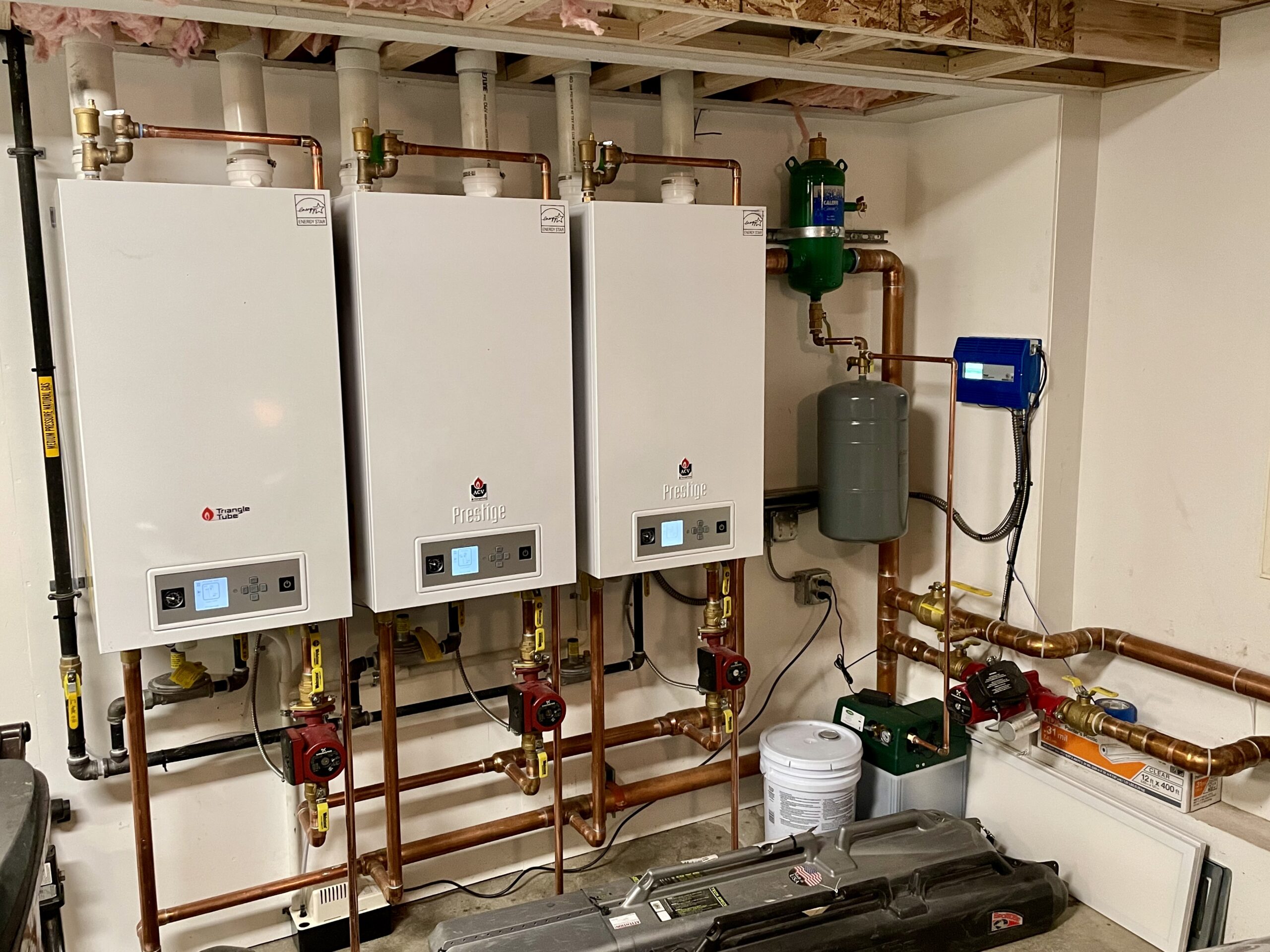
Hydronic heated driveway systems operate by circulating heated fluid through a network of tubing installed beneath the driveway surface. The system components work together as follows:
• A boiler heats a glycol or water-based fluid
• Pumps circulate the heated fluid through PEX tubing
• Heat transfers evenly through the concrete slab
• Snow and ice melt on contact and drain away
• Sensors monitor temperature and moisture conditions
The tubing layout is engineered to deliver consistent heat coverage across the entire driveway surface, eliminating cold zones that can lead to refreezing. Systems can be activated automatically using snow and moisture sensors or manually through wall-mounted or Wi-Fi controls.
Hydronic systems are particularly effective in Colorado Springs due to their ability to maintain surface temperatures during prolonged cold events and heavy snowfall.
When a Hydronic Heated Driveway Is the Right Choice
Hydronic snow melt systems are best suited for properties where performance, longevity, and efficiency outweigh initial installation cost.
Hydronic systems are typically recommended when:
• The driveway exceeds 1,000 square feet
• The driveway has significant slope or switchbacks
• Multiple zones are being heated (driveway, walks, patios)
• Long-term operating cost is a priority
• A boiler system already exists or can be integrated
• Luxury construction standards are desired
For large driveways, hydronic systems often deliver lower operating costs than electric systems over time while providing more uniform heat output.
Hydronic vs Electric Heated Driveways
Both hydronic and electric heated driveways melt snow effectively, but they are engineered for different applications.
Hydronic systems use heated fluid circulated from a boiler, while electric systems rely on resistance heating cables powered by electricity.
In general:
• Electric systems are simpler and faster to install
• Hydronic systems scale better for large areas
• Electric systems have lower upfront costs
• Hydronic systems offer lower long-term operating costs
• Hydronic systems provide greater design flexibility
Springs Concrete evaluates driveway size, electrical capacity, fuel availability, elevation, and usage patterns before recommending a system type. The correct choice depends on the property, not a one-size-fits-all approach.
Hydronic System Components Explained
A properly designed hydronic heated driveway system consists of several critical components working together.
Boiler
The boiler provides the heat source for the system. System size and output are matched to the driveway surface area, insulation strategy, and climate conditions.
PEX Tubing
Cross-linked polyethylene tubing is installed within the concrete slab and carries heated fluid throughout the driveway. PEX tubing is corrosion-resistant and designed for long-term use.
Manifolds
Manifolds regulate fluid distribution and allow precise balancing between zones.
Pumps and Controls
Circulation pumps move heated fluid through the system. Controls regulate activation based on temperature and moisture detection.
Glycol Mixture
A glycol blend prevents freezing and protects the system in extreme cold conditions.
Each component is selected and sized based on system load calculations rather than generic assumptions.

Design Considerations for Colorado Driveways
Colorado Springs presents unique challenges for heated driveway design due to elevation, temperature swings, and snowfall patterns.
Key design factors include:
• Elevation and ambient temperature
• Driveway slope and drainage
• Exposure to wind and shading
• Soil conditions and frost depth
• Concrete thickness and reinforcement
• Insulation placement beneath the slab
Springs Concrete accounts for these variables during system design to ensure consistent snow melting without excessive energy consumption or premature wear.
Hydronic Heated Driveway Cost Factors
The cost of a hydronic heated driveway system varies based on several project-specific variables.
Cost factors include:
• Total square footage
• Boiler size and fuel type
• Tubing density and zoning
• Electrical and mechanical integration
• Concrete thickness and reinforcement
• Excavation and base preparation
• Control systems and automation
Hydronic systems typically represent a higher upfront investment than electric systems but are often more economical to operate for large or complex driveways.
For a detailed breakdown, visit our heated driveway cost guide.
This video explains what to expect when you are considering buying a hydronic heated driveway system
Our Hydronic Heated Driveway Installation Process
Hydronic systems require coordination between concrete construction and mechanical design. Springs Concrete manages the entire process from planning through commissioning.
Our process includes:
• Site evaluation and system design
• Load calculations and layout planning
• Subgrade preparation and insulation
• Tubing installation and pressure testing
• Concrete placement and finishing
• Boiler and control integration
• System testing and owner orientation
Each phase is sequenced to protect the heating components while ensuring long-term performance of the concrete surface.
Performance & Expectations
Heated concrete is not a “miracle surface.” It is a system embedded into structural concrete that is designed to reduce manual snow and ice removal on a defined heated footprint.
System performance depends on conditions outside any contractor’s control—storm intensity,
snowfall rate, wind and drifting, ambient temperature, slab exposure, drainage, utility reliability,
equipment condition, and owner operation (including when the system is activated). For that
reason, no snowmelt system can be described honestly as “100% snow-free” in every storm.
My design intent is simple: keep priority areas usable and reduce ice bonding so the surface
behaves more like a wet surface than a frozen surface on the heated footprint—recognizing that
weather, exposure, and operation will always matter.
For full performance limitations, responsibility boundaries, and third-party equipment notes,
see the Springs Concrete disclaimer.
* Performance of heated driveway system depends on factors outside of SC’s control. See full disclaimer here.
Hydronic Heated Driveway FAQs
What happens if a tube leaks?
PEX tubing leaks are extremely rare when systems are properly installed. The tubing has no joints beneath the concrete—it runs in continuous loops from the manifold. If a leak ever occurs, we can locate it using thermal imaging and often repair it with minimal disruption. The glycol mixture is food-grade and non-toxic, so a small leak poses no environmental concern.
Can I use my existing boiler?
In many cases, no. During our site assessment, we evaluate your current equipment and determine whether it can handle the additional load or if a dedicated boiler would be more appropriate.
Is hydronic or electric better for Colorado?
Both systems work well in Colorado. Electric is typically better for smaller driveways under 1,000 square feet due to lower installation costs and simpler setup. Hydronic becomes the better choice for larger driveways, properties with multiple heated zones, or homeowners prioritizing long-term operating costs. Springs Concrete can assess your specific situation and recommend the system that best fits your property and budget.
How long does a hydronic system last?
The PEX tubing embedded in your driveway is designed to last 50 years or more. Boilers typically last 15 to 25 years with proper maintenance, and pumps may need replacement every 10 to 15 years. Springs Concrete uses commercial-grade components built for Colorado’s demanding conditions, and we provide guidance on maintaining your system for maximum longevity.
Request a Hydronic Heated Driveway Quote
If you are considering a hydronic heated driveway in Colorado Springs or surrounding areas, Springs Concrete can evaluate your property and design a system tailored to your needs.
Our team specializes in engineered snow melt systems integrated directly into concrete construction.
Request a quote to discuss design options, system selection, and installation timelines.
What Our Customers Are Saying
Real reviews from homeowners who chose Springs Concrete.
“The team at Springs Concrete installed a hydronic heated driveway at my Monument home, and it’s been fantastic. The concrete finish is top-notch, and Daniel’s professionalism is unmatched.”
“Daniel and his team did a fantastic job. They replaced our old driveway and installed a hydronic heating system. We couldn’t be happier. Professional, punctual, and great quality work.”
 Posted on Google
 Alan McCarty
Trustindex verifies that the original source of the review is Google.
Castle Rock driveway with a long slope. New pour and heating system has been dry all season. We didn’t overdo the coverage — just the right areas.Posted on Google Paula FrechetteI was referred by a neighbor. We did a full replacement and added electric heat. It’s held up well and the work was very clean.Posted on Google
 Lois RussellThe team helped us prioritize key areas instead of heating everything. We kept the budget tight and still got what we needed. Smart planning.Posted on Google
 Jennie ReisThe slope in front of our house was a problem every winter. Springs Concrete rebuilt the driveway and installed hydronic heat. It's worked perfectly all winter.Posted on Google
 Mary RobinsonSteep incline in Parker, and I’ve got a medical issue that makes shoveling risky. New driveway with heat from Springs Concrete changed everything.Posted on Google
 Sonia DuffNorth side of the property never got any sun. The new heated driveway clears itself. I just open the garage and leave. I’ve shared their info with coworkers already.Posted on Google
 Samuel VegaI highly recommend Springs Concrete for heated driveway installations. My Colorado Springs home now has a fantastic asphalt heated driveway, thanks to Daniel and his team.
